
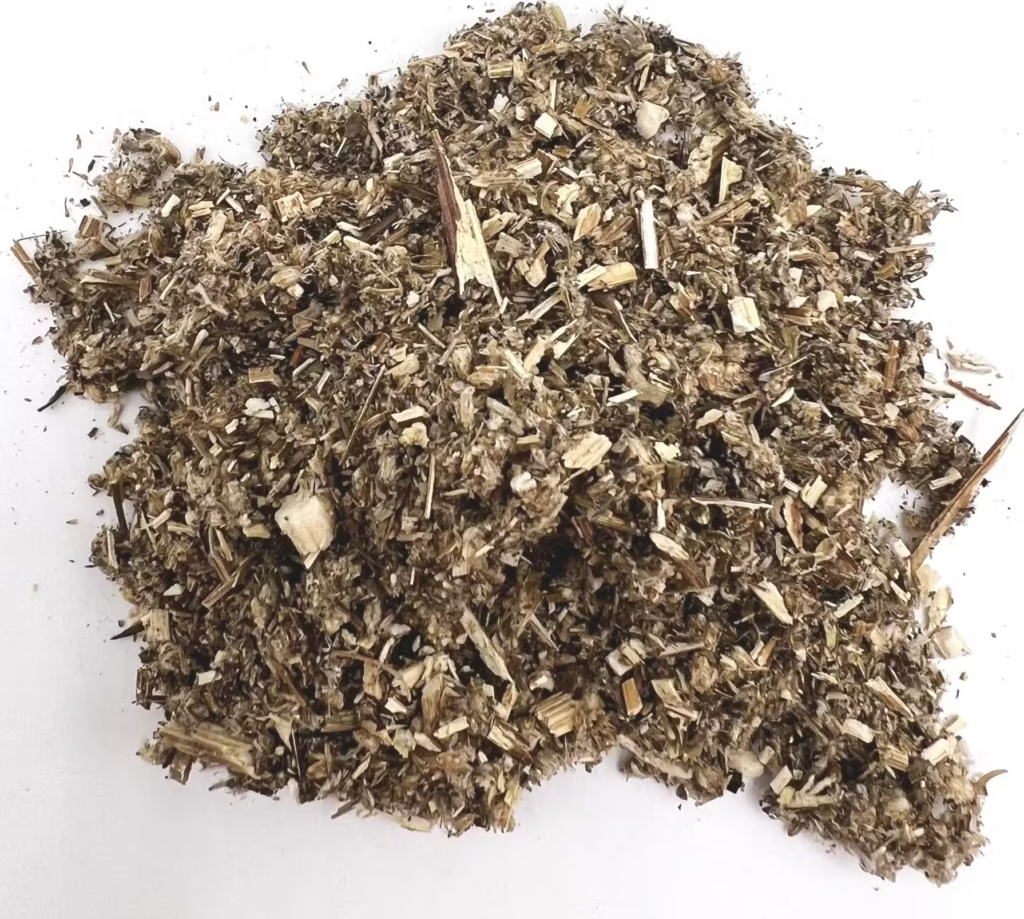
Mugwort 500 Gram Pouch
$90.00
smoking Mugwort
Mugwort 500 Gram Pouch for sale at affordable prices. We deliver the top-quality herbs and roots that you are looking for.
Mugwort
When you hear about the medicinal plant “mugwort,” you may think of a potion ingredient from a “Harry Potter” novel.
Mugwort is a weed-like plant with roots in ancient Chinese and European medicine. During the Middle Ages, people called it the “mother of herbs.” Although it’s still in use today as an herb or medicinal ingredient, mugwort is much less common.
You may recognize it as a yellow dye, insect repellant, or ingredient in certain food dishes that date back centuries.
There is no scientific evidenceTrusted Source that mugwort is beneficial to your health when used in a medicinal capacity, despite claims that it can ward off cancer, treat flatulence, or treat infertility. As it’s related to ragweed and part of the daisy family, this noxious weed may cause allergies similar to ragweed that affect your health and daily life.
Also known as Artemisia vulgarisTrusted Source, mugwort is native to Asia and Europe. It can reach up to 6 feet in height and has yellow or reddish-brown flowers in the summer. Its leaves have a silvery fuzz on their underside, and it has a sage-like smell and slightly bitter taste.
Roman soldiers would put mugwort in their sandals before marching to ward off fatigue. It was also thought to protect people from wild animals and evil spirits. People placed it under their pillows to induce vivid dreams and planted it around their houses and gardens to repel moths.
Across the world, people have long claimed that this medicinal plant has many benefits for your health. These may include:
- antimalarial effects
- anti-inflammatory effects
- antihypertensive effects
- antioxidant effects
- antitumoral effects
- immune system benefits
- hepatoprotective effects (preventing liver damage)
- antispasmolytic effects (helping prevent muscle spasms)
- antiseptic effects
Importantly, this 2018 researchTrusted Source points out that any of the above-mentioned benefits were mainly tied to other secondary metabolites, ranging from flavonoids, organic acids, and other compounds.
While mugwort is not commonly usedTrusted Source in modern Western medicine, its aroma and bitter taste lead some people to use it to help release digestive juices and treat appetite loss, gastritis, flatulence, and low stomach acid.
Your healthcare team can help you understand what medicines, herbs, supplements, or other treatments might be best to help with any health conditions or concerns you have.
Menstrual health, cramping, developing baby
Some believe mugwort can also be used to help treatTrusted Source irregular menstrual cycles and menopausal symptoms. In the past, people used mugwort to induce abortion. Anyone who is pregnant and breastfeeding is advised to avoid the herb because of this potential risk.
In traditional Asian medicine, practitioners use mugwort or wormwood in a process called moxibustion. Mugwort or wormwood leaves are formed into sticks or cones about the size and shape of a cigar and then burned on or over an acupuncture point to release energy.
Moxibustion is also used to treat menstrual cramping and help a baby in the breech position turn. According to this studyTrusted Source, the practice does appear to increase fetal movements, helping the baby turn to a normal head-down, or cephalic, position. However, the authors conclude that more research is necessary to determine moxibustion’s real effectiveness.
Other ancient uses
In European and herbal practices, people have used mugwort to treat stomach and intestinal problems such asTrusted Source:
- colic
- gas
- diarrhea
- constipation
It was also used to ease:
- headaches
- nosebleeds
- chills
- fever
- nerve problems
- insomnia
These herbal and ancient medicinal claims are not based on modern research.
Be the first to review “Mugwort 500 Gram Pouch”
Related products
ENERGY HERBS
ENERGY HERBS
ENERGY HERBS

ENERGY HERBS
ENERGY HERBS
ENERGY HERBS
ENERGY HERBS
ENERGY HERBS
Reviews
There are no reviews yet.